Care
How to dry outdoor cushions fast (and why some stay damp for days)
A cushion dries from the seams, not from the top. That one fact changes how you should position it.
The workshop team, waterproofoutdoorcushions.com
· 2 min read
The method
- Pick the cushion up and squeeze the corners. That pushes free water out of the filling.
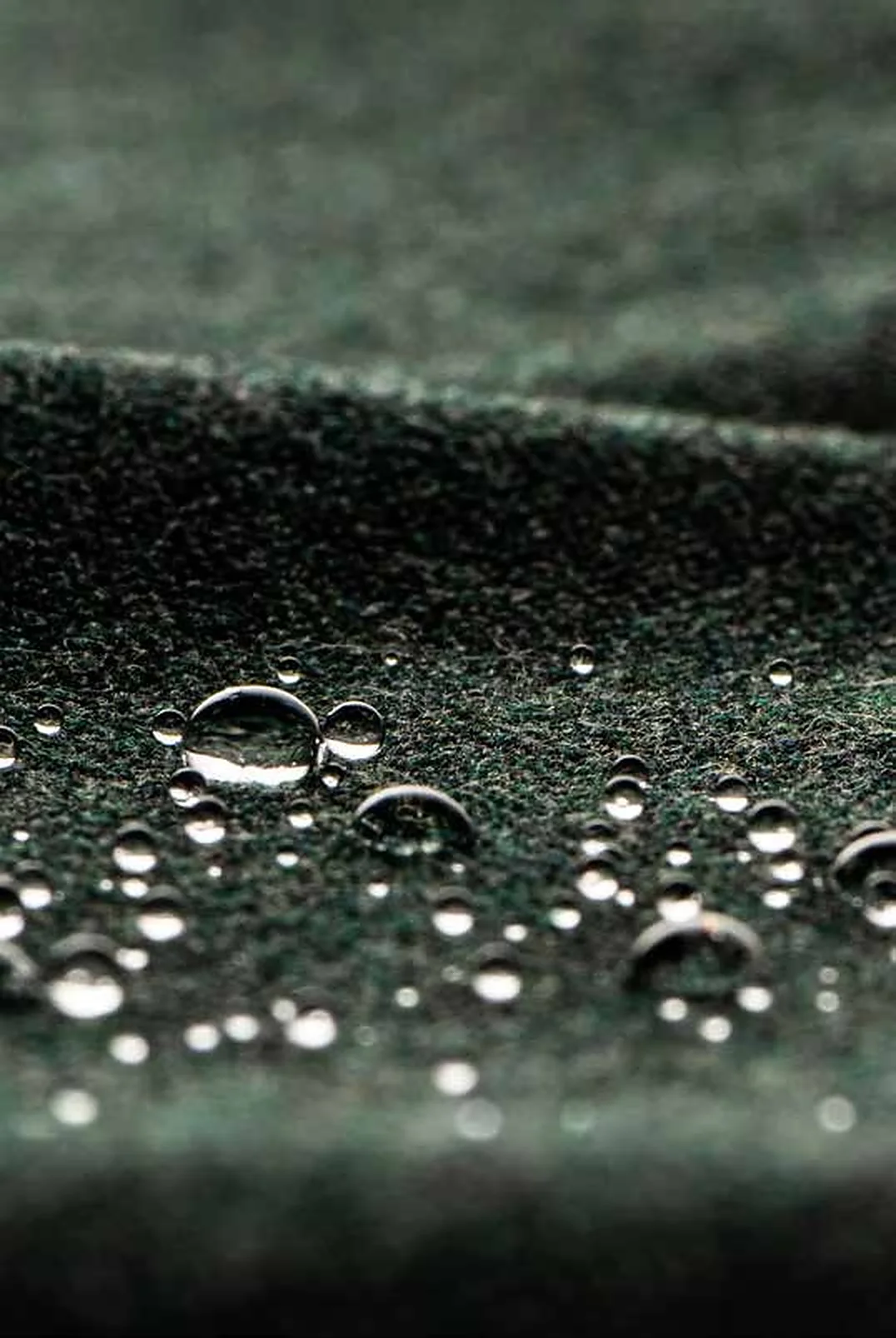
- Stand it on its side with the zip seam at the bottom. Water drains through the seam; it cannot drain through a water-repellent top.
- Put it where the wind is. Wind moves moisture away faster than sun warms it. A breezy spot in the shade beats a still spot in the sun.
- Turn it after an hour so the other side faces the wind.
- Check inside the zip before you put it back or store it. Dry outside, damp inside is where the smell starts.
How long it takes
| Filling | Typical drying time on its side |
|---|---|
| Hollow-fibre polyester (our standard) | 2-4 hours |
| Open-cell quick-dry foam (reticulated) | 4-8 hours |
| Standard upholstery foam | 2-4 days, often never fully |
| Feather or down | Not an outdoor filling; days, and it clumps |
Rule of thumb
On its side, zip down, in the wind, turned once. If it still smells damp after a day, the filling is the problem, not the weather.
What never to do
- Tumble dryer. Heat damages the water-repellent finish and can melt or shrink synthetic filling.
- Radiator or fan heater. Same problem, slower.
- Laying the cushion flat on the bench. The underside stays wet because water cannot escape upwards.
- Storing it "to dry in the shed". Still air in a shed dries nothing.
If it will not dry
Foam that has been soaked is a sponge; squeezing helps but the centre stays wet. If the cushion is worth keeping, replace the inner with a hollow-fibre one and keep the cover. If it is a budget cushion, this is usually the end of it. Our filling guide explains why we use hollow fibre, and what rain does to each cushion type covers the rest.
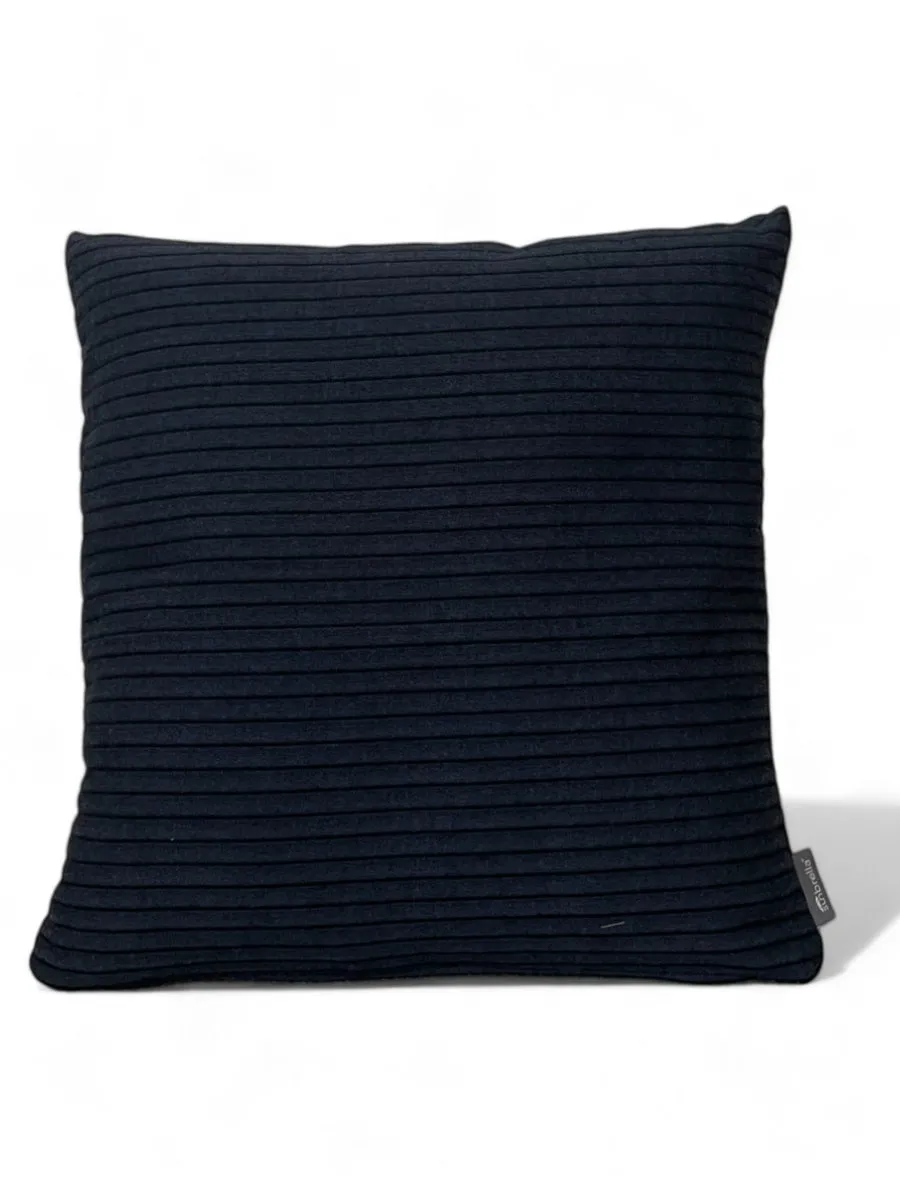
In stock
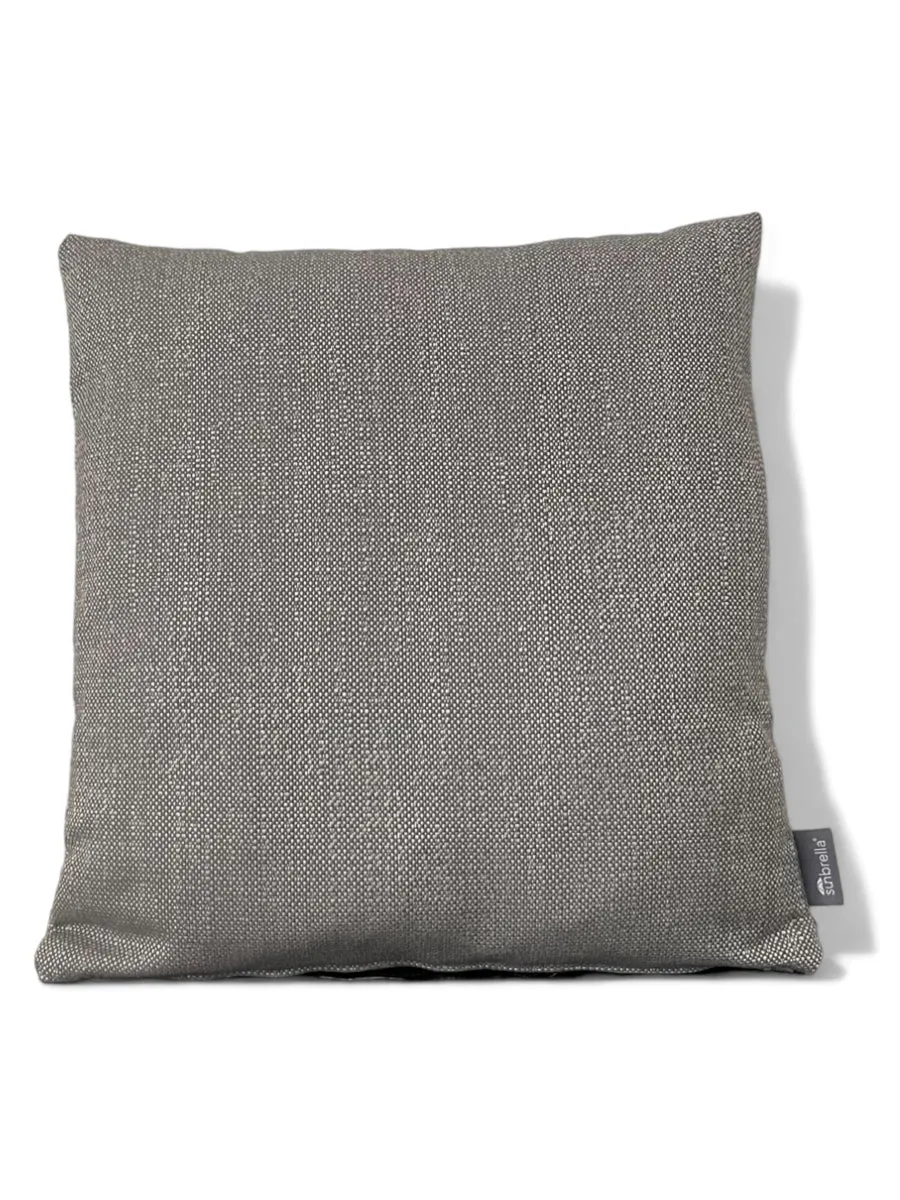
158 Sunbrella® colours in 45×45, filling included, shipped next working day. Browse the collection or ask about made to measure.